
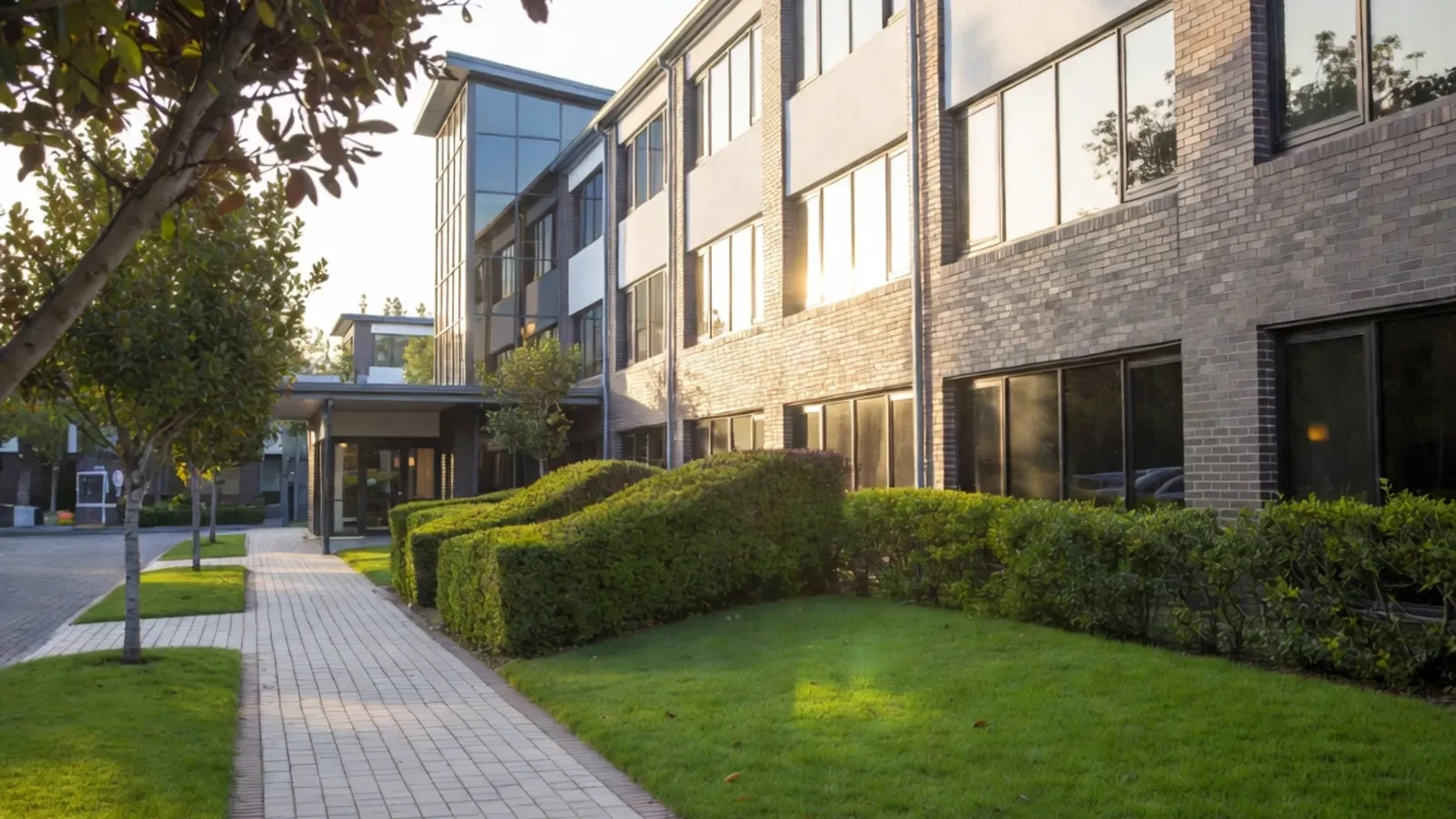
A request from a tenant or occupier is the most common interaction a managed building generates, and handling each one consistently is what turns a property from a source of frustration into one that simply works.
Why requests deserve a process
Most of the contact a managed building generates comes in the form of requests: a reported fault, a question about a service, a need for access, a concern about something shared. Individually each is small, but together they are the everyday measure of whether a building is well run. Occupiers rarely judge management by its strategy; they judge it by whether their last request was dealt with properly.
Treating requests as a process rather than a series of one-off favours is what keeps them from slipping. A consistent approach means every request is captured, acknowledged, owned by someone and seen through to a clear conclusion. Without that structure, requests live in scattered emails and verbal conversations, and the ones that fall through the cracks are the ones that damage trust.
Logging and acknowledging promptly
The first step is simply to capture the request in one place, with enough detail to act on it: who raised it, what they need, where and when. A single log, rather than a tangle of inboxes, means anyone picking up the work can see the full picture and nothing depends on one person's memory. It also gives the owner a clear record of what the building is asking for over time.
Acknowledgement matters as much as action. A prompt reply confirming that a request has been received, and setting a realistic expectation of what happens next, does most of the work of keeping an occupier content. People are far more patient when they know they have been heard than when they are left wondering whether their message reached anyone at all.
Occupiers rarely judge a building by its strategy. They judge it by whether their last request was acknowledged, acted on and closed off clearly.
Triaging by urgency and impact
Not every request carries the same weight, so the next step is sensible triage. A safety concern or a fault that stops people working ranks above a cosmetic request, however loudly the latter is raised. Judging urgency well means understanding how each issue affects the people in the building and acting in that order rather than simply first-come, first-served.
Triage also means routing each request to the right place. Some are resolved with a quick answer, some need a contractor instructed, and some belong with the owner because they involve a decision or a cost beyond day-to-day management. Knowing which is which, quickly, is part of what keeps a building running calmly rather than lurching from one escalation to the next.
Following through to resolution
A request is not finished when it is passed to a contractor; it is finished when the work is done and the occupier has been told. The gap between those two points is where most dissatisfaction lives. Following through means tracking each open item, chasing where needed and closing the loop with a clear update once the issue is resolved.
That final update is easy to overlook and disproportionately valuable. Telling an occupier that the job they reported has been completed turns an open worry into a closed one and signals that the building is being actively managed. It costs little and it is the difference between a request that was handled and one that was merely received.
Keeping records that improve the building
A clean record of requests is useful well beyond the individual item. Over time it shows patterns: a recurring fault that points to a planned fix rather than another repair, a service that generates regular complaints, a part of the building that needs attention. Used well, the request log becomes a quiet source of insight into how the property is performing.
Those records also protect the relationship with both owner and occupier. They evidence what was reported, what was done and when, which removes ambiguity if a question arises later. The discipline of recording every request, however minor, is what allows a managing agent to coordinate consistently across a building or a portfolio.
Commercial and residential property management, support and administration for landlords, freeholders and property owners across Nottinghamshire and the wider East Midlands.