
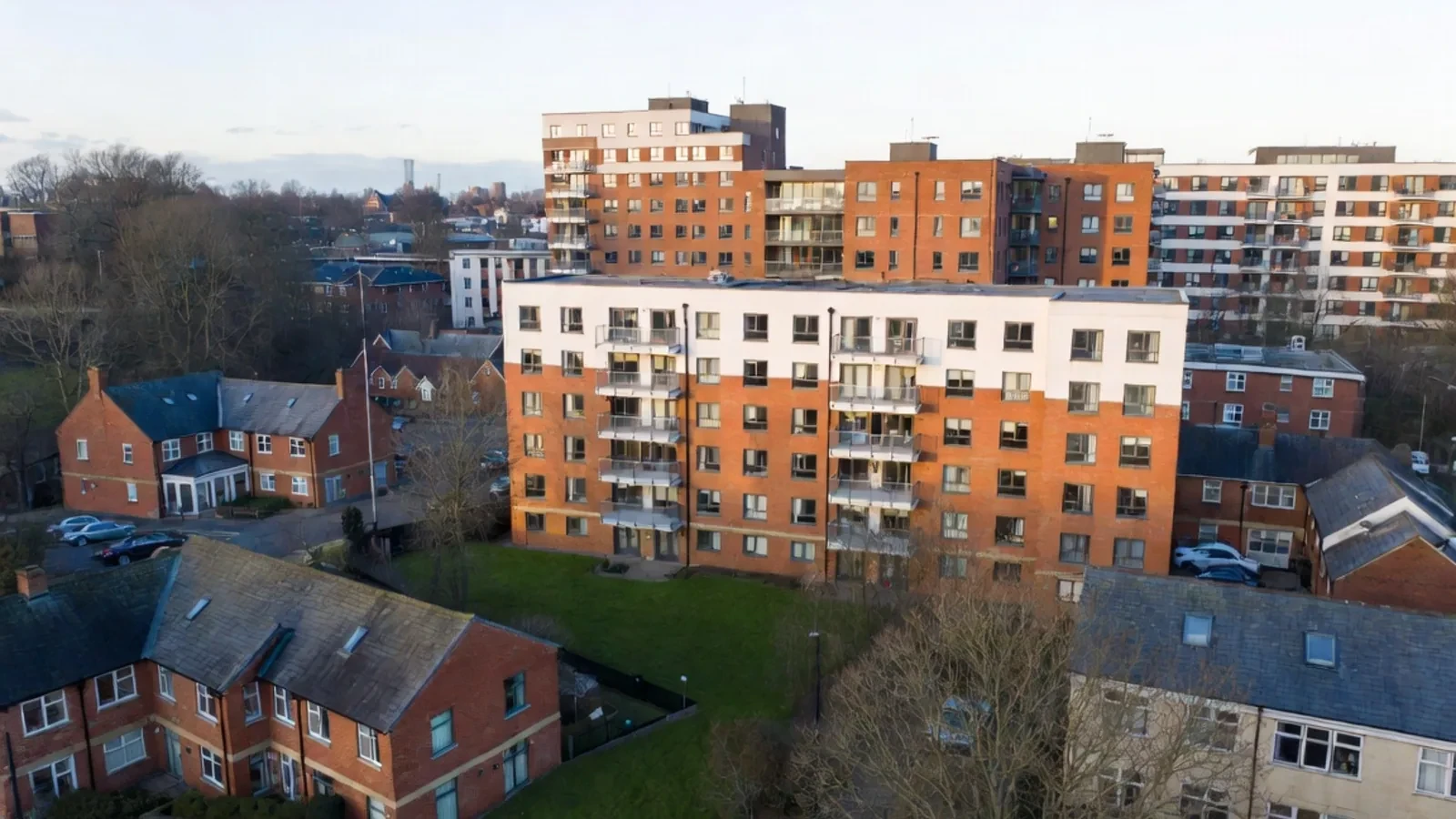
Managing a growing portfolio is less about any single property and more about keeping consistent records, coordination and reporting across all of them as the number of moving parts multiplies.
What changes as a portfolio grows
A single property is manageable from memory. The owner knows when the boiler was serviced, who the cleaner is and when the insurance renews. As a portfolio grows to a handful of properties and then beyond, that informal approach starts to strain. Each property carries its own occupiers, contractors, certificates and renewal dates, and holding all of it in one head becomes unrealistic.
The shift is gradual, which is what makes it easy to miss. Nothing dramatic goes wrong at first; tasks simply take longer, the occasional date slips and information becomes harder to find when it is needed. Recognising that a portfolio has outgrown an informal system, and putting structure in place before something is missed, is one of the more useful judgements an owner can make.
The administrative load behind each property
Every property in a portfolio generates a steady stream of administration regardless of its size. There are supplier and utility accounts to keep in order, maintenance to coordinate and follow through, compliance dates to track, occupier requests to log and correspondence to answer. Individually these tasks are routine. Multiplied across a growing number of properties, they become a significant and recurring workload.
The load also compounds in less obvious ways. More properties mean more contractors, more renewal dates falling in different months and more documents to file and retrieve. Without a system, the owner spends increasing time simply finding information rather than acting on it. The practical question is not whether each task is difficult, but whether the whole can be handled consistently as the numbers rise.
A portfolio rarely outgrows its owner in one moment. It happens quietly, as tasks take longer and dates begin to slip, which is why structure is best put in place before something is missed.
Building a consistent operating model
The answer to a growing portfolio is consistency. A consistent operating model means every property is run the same way: the same record structure, the same approach to maintenance, the same reporting and the same handling of compliance dates. When each asset follows the same pattern, adding another property becomes a matter of slotting it into a system rather than inventing a new one each time.
Standardisation does not mean ignoring the differences between properties. A retail unit and a residential block have different needs, and a good model accommodates that. What it standardises is the underlying discipline: how records are kept, how issues are coordinated and how the owner is kept informed. That shared foundation is what allows a portfolio to scale without descending into a tangle of one-off arrangements.
Keeping oversight as you scale
As a portfolio grows, the owner's role shifts from doing the work to overseeing it. The aim is to retain a clear, current view of every property without personally handling each task. That depends on reporting that summarises the position across the portfolio and flags anything that needs attention, rather than burying the owner in detail.
Good oversight is about exceptions as much as routine. An owner with twenty properties does not need to read about every completed repair, but does need to know promptly about an unresolved issue, an approaching certificate renewal or a budget heading off course. A system that surfaces the exceptions while quietly handling the routine keeps the owner in control as the portfolio expands.
When to bring in support
There is no fixed point at which a portfolio needs professional management, but the signs are recognisable. When administration starts to crowd out the decisions that actually add value, when dates begin to slip, or when the owner is spending evenings on correspondence rather than strategy, the balance has tipped. Bringing in coordinated management at that stage protects both the properties and the owner's time.
Delegating the administration of a portfolio does not mean losing grip on it. A well-run service takes on the records, coordination and reporting while keeping the owner informed and in command of the decisions that matter. The owner gains capacity to grow the portfolio further, with the confidence that the existing one is being run consistently and well.
Commercial and residential property management, support and administration for landlords, freeholders and property owners across Nottinghamshire and the wider East Midlands.