
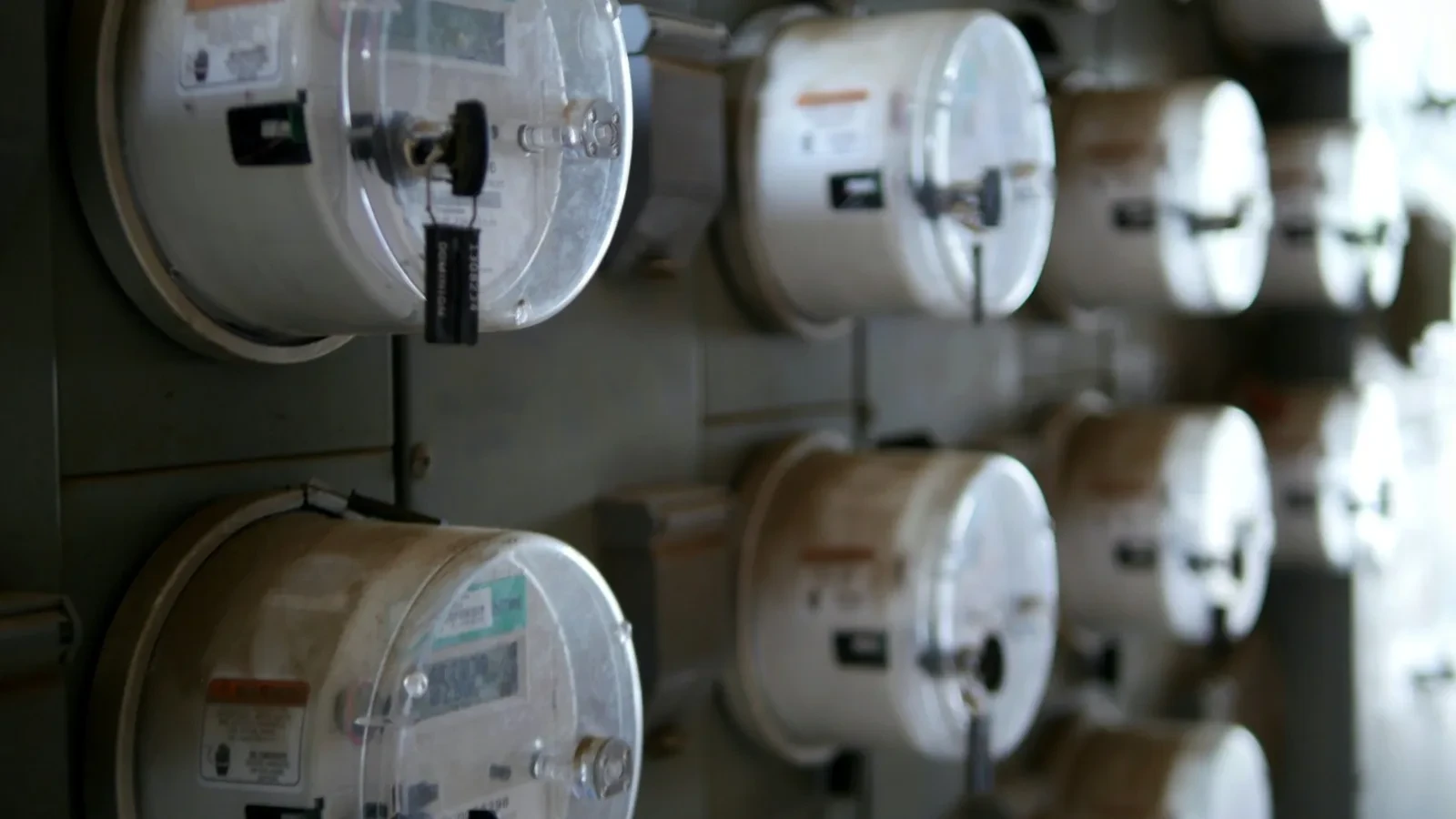
Meter records are a small but important part of a property's data, and keeping them accurate and current underpins correct billing, clean handovers and a reliable picture of how a building is supplied.
What meter records are
Most properties are supplied through metered services, and each meter has a set of identifying details and a history of readings attached to it. Meter records are simply the organised record of this information: which meters serve which parts of a building, their identifying references, the supplier arrangements and the readings taken over time. It is administrative detail, but it underpins a surprising amount.
For a single small property this is straightforward. Across a larger building or a portfolio, with multiple meters serving different areas and occupiers, it becomes a body of information that needs to be kept in order. Knowing exactly which meter relates to which space, and holding its references reliably, is the starting point for everything that follows.
Why accurate meter records matter
Accurate meter records matter because so much depends on them. Correct billing relies on the right meter being linked to the right account and the right occupier, and on readings being recorded accurately. Where these details are wrong or out of date, charges can be misattributed, queries multiply and the time spent untangling them far exceeds the effort of keeping the records straight in the first place.
Good meter records also support clear cost administration. Where supply costs feed into a service charge or are recharged to occupiers, the underlying meter information needs to be reliable for those costs to be apportioned correctly. A clean record of meters and readings is part of what makes a property's running costs accurate and defensible.
A meter reading captured at the moment an occupier moves in or out prevents a dispute that is almost impossible to settle later from estimates. The small step at the time saves the larger difficulty afterwards.
Keeping the records current
Meter records need maintaining, not just creating. Readings are taken periodically and added to the history, supplier arrangements change and need updating, and any changes to the meters themselves have to be captured. A record left untouched soon drifts out of step with reality, which defeats its purpose.
A simple, consistent routine is what keeps these records dependable: recording readings when they are taken, updating supplier details when they change and noting any alterations as they happen. None of this is complex, but it requires the same steady attention as any other part of property administration. Done consistently, it keeps a reliable history building over time.
Meters at change of occupancy
Meter records earn their keep at change of occupancy. When an occupier moves in or out, readings taken at the right moment establish a clean line between one party's responsibility and the next, so that each is billed only for what they used. Without a clear reading at the change, disputes over who owes what are common and difficult to resolve after the fact.
Capturing this information at the point of change, and recording it clearly, removes that ambiguity. It is a small administrative step that prevents a disproportionate amount of later difficulty, and it is far easier to do at the time than to reconstruct from estimates once an occupier has gone.
Part of the wider record
Meter records do not stand alone; they are one strand of a property's wider data. Held alongside leases, certificates, supplier accounts and the rest, they contribute to the complete, current picture of a property that good record-keeping aims for. On their own they are a detail, but as part of the whole they help make the picture reliable.
Where a managing agent administers meter records as part of routine record-keeping, the owner is spared a fiddly task and gains accurate information when it is needed, for billing, for handovers and for understanding how a building is supplied. It is a clear example of how attention to small administrative details adds up to a property that is genuinely well documented.
Commercial and residential property management, support and administration for landlords, freeholders and property owners across Nottinghamshire and the wider East Midlands.