
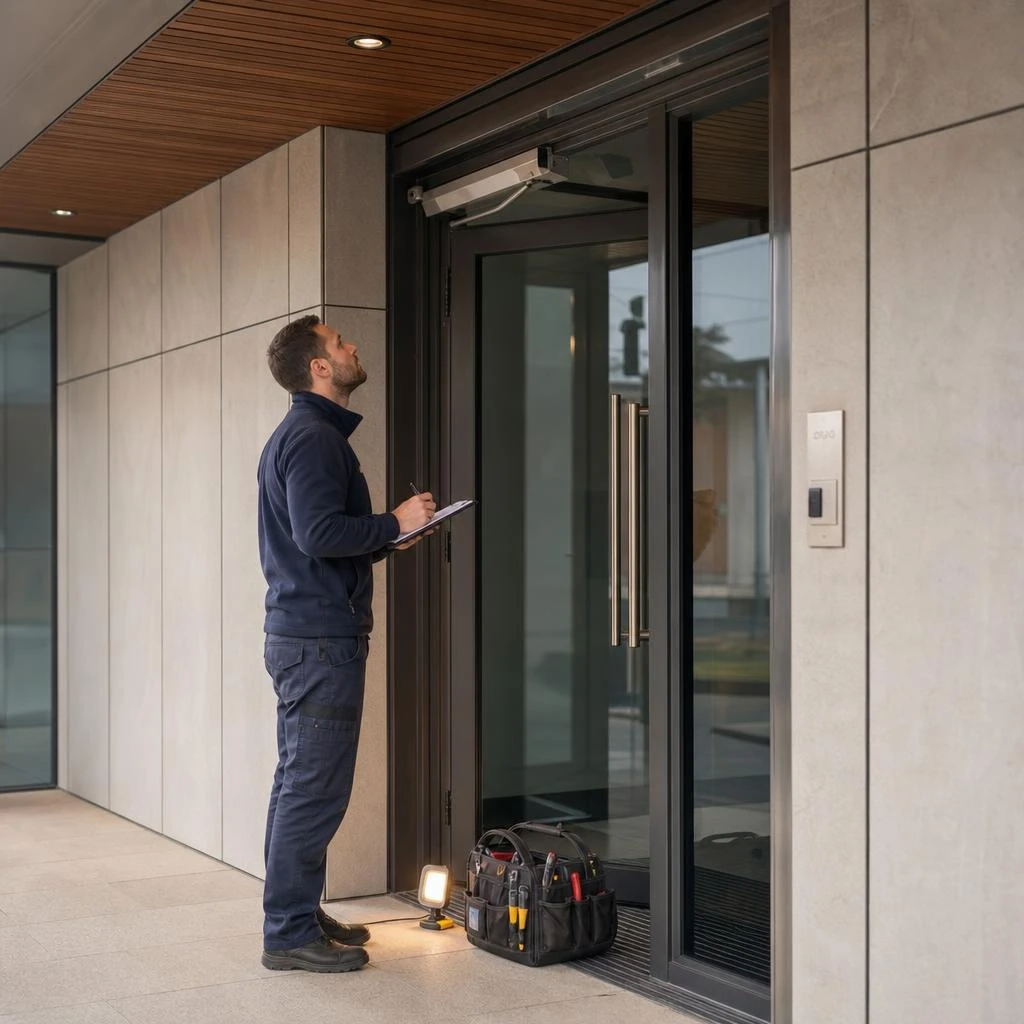
Good property maintenance management leaves a trace from the first report to the final update. A landlord should be able to see who owns the issue, what was instructed, what the contractor found, what was completed and whether anything remains open.
The first report sets the baseline
A maintenance issue can arrive by email, phone or a tenant portal. However it arrives, the property record should capture when it was reported, who reported it, which building or unit is affected, what the issue looks like and whether there is an immediate safety, security or access concern. Without that baseline, later updates are difficult to compare with the original problem.
The landlord does not need a transcript of every message. They do need a concise record that explains the issue and its priority. A report about a leaking roof, a failed entrance door or loss of heating should show the practical effect on the property and occupiers, along with the next action and expected update.
Assignment and access should be visible
Once the issue is logged, someone should own the next step. The record should identify the person coordinating it, the contractor or supplier being considered and any approval needed before instruction. This is particularly important where a repair affects a shared area, a commercial occupier's trading hours or a residential tenant's access to their home.
Access arrangements are part of the repair process, not an afterthought. Record whether a tenant, occupier, caretaker or contractor holds keys, whether an appointment has been agreed and whether any restrictions apply. If access is refused or a visit cannot go ahead, the landlord should see that as an open action with a revised plan rather than as a completed attendance.
A repair should move through separate checkpoints: reported, assigned, attended, completed, evidenced and confirmed resolved.
The instruction should say what is required
A contractor needs enough information to attend with a reasonable understanding of the job. The instruction should identify the location, the reported symptoms, any useful history, the required timescale and the contact for access. Photographs or an earlier inspection report may help where they are available, but they should support the written instruction rather than replace it.
Where a quotation or landlord approval is needed, the record should show what was proposed, the cost basis and the decision made. Urgent work may need to proceed under an agreed authority, while non-urgent work can wait for a quote or comparison. The important point is that the basis for the instruction is clear when the job is later reviewed.
Attendance is not the same as resolution
A contractor's attendance is one event in the record. It confirms that someone visited, not that the original issue has been fixed. The follow-up should state what was inspected, what the contractor found, what work was carried out and whether the reported symptoms were addressed.
Sometimes the first visit identifies a larger repair, a specialist requirement or a part that needs ordering. In that situation, the repair remains open. Record the recommendation, any further quotation or approval, the next attendance and the effect on the occupier. A temporary measure should be described as temporary so it is not mistaken for a final resolution.
Evidence closes the gap between work and outcome
The evidence needed depends on the work. It might be a contractor's completion note, photographs, an inspection report, a certificate, a test result or confirmation from the tenant or occupier. The record should link that evidence to the original report and explain what it demonstrates.
Invoices and supporting paperwork should be checked against the instruction and the work reported. A charge that covers a return visit, additional materials or further work should be understandable from the job history. If the paperwork does not yet support closure, keep the action open and request what is missing rather than treating the invoice as proof that the repair is finished.
What should reach the landlord's report
A useful maintenance report gives the landlord the position without requiring them to read the whole file. It should identify the original issue, current status, contractor attendance, work completed, evidence received, cost or approval position, communication with the tenant or occupier and any next action with an owner and date.
The final distinction is simple but important: contractor attended, work completed, evidence received and issue resolved are separate statuses. Keeping them separate prevents a repair from disappearing into a completed-work list while a part, follow-up visit, certificate or occupier update is still outstanding. That level of maintenance reporting gives a landlord a dependable basis for deciding what to approve next.
Commercial and residential property management, support and administration for landlords, freeholders and property owners across Nottinghamshire and the wider East Midlands.