
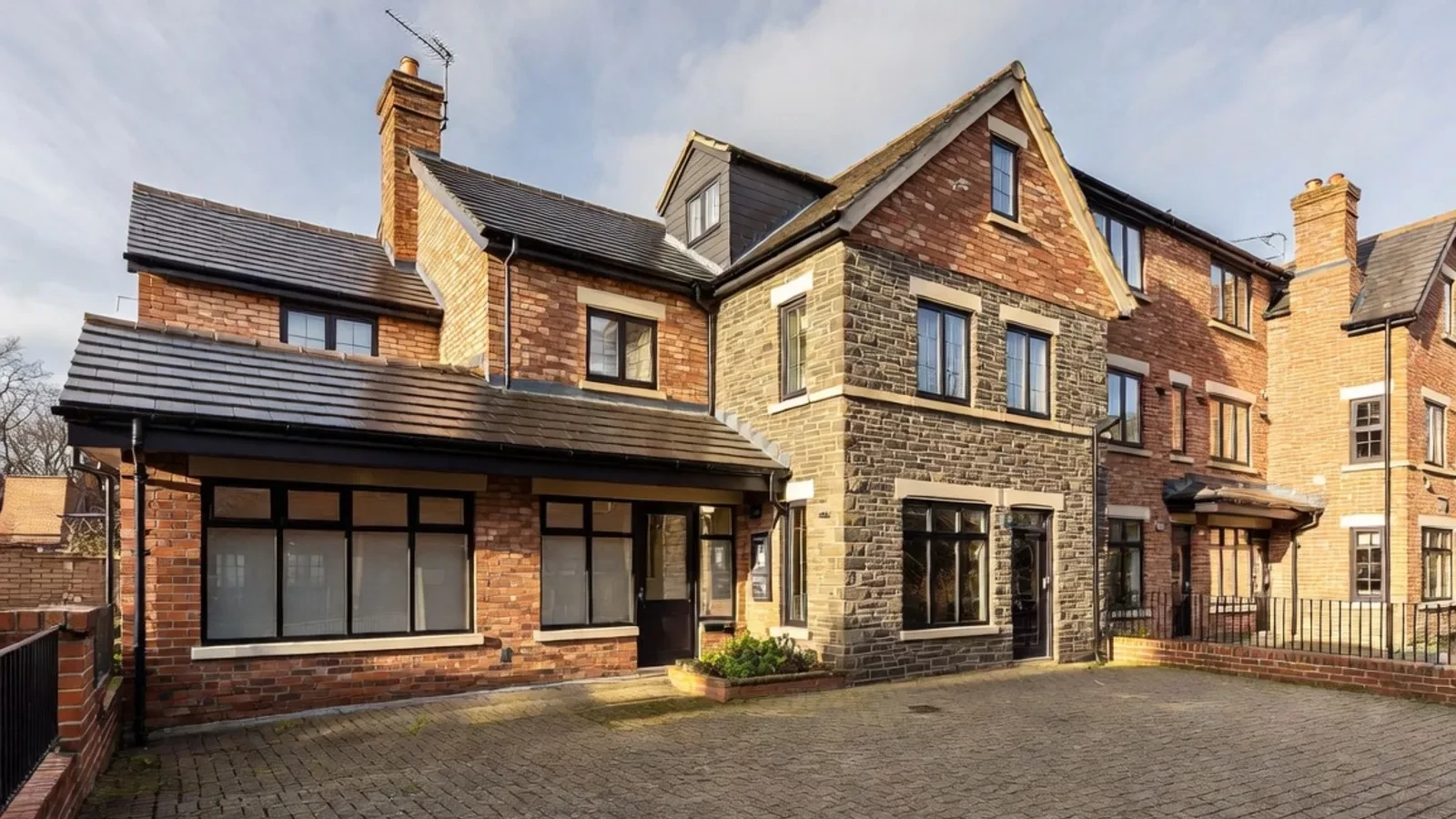
A reserve or sinking fund sets money aside over time for the large, periodic costs of a building, so that major works do not land as a single painful bill on whoever happens to be in occupation that year.
What a reserve fund is
Some of the costs of owning a building are not annual but periodic: replacing a roof, renewing plant, redecorating common parts or resurfacing a car park. These are large, predictable in the long run but irregular in timing. A reserve or sinking fund is money set aside gradually, year by year, so that when these works arrive the funds are already in place.
The terms are often used interchangeably, though a sinking fund usually refers to saving for the eventual replacement of major items, while a reserve fund may cover a broader pool for periodic expenditure. Whether such a fund exists, and how it operates, is governed by the leases in place rather than by choice alone.
Why buildings need them
Without a fund, a major cost has to be met in the year it falls, often through a one-off charge to occupiers. A large, unexpected demand of this kind is disruptive for everyone and can be a genuine hardship for a smaller occupier. It also tends to generate disputes, because the people asked to pay may feel they are carrying a cost that built up over many years before them.
A reserve fund smooths this. By collecting a modest amount each year, the building spreads the cost of major works across time, so no single year bears the full weight. The result is a more stable, predictable service charge and far fewer unwelcome surprises when something significant needs replacing.
A reserve fund turns an unpredictable, painful one-off bill into a modest, predictable annual contribution. Its whole purpose is to make sure no single year carries a cost that took decades to build.
How contributions are set
Setting reserve contributions requires looking further ahead than an annual budget. It means considering the major components of the building, their likely life and the broad cost of eventually replacing or renewing them, and then working backwards to a sensible annual contribution. The aim is to have funds roughly in line with need when the time comes.
This is an exercise in informed estimation, not precision, and the figures are revisited over time as costs and conditions change. The important thing is that contributions are deliberate and explainable, set against an understanding of what the building will need, rather than an arbitrary amount added to the charge.
Holding and accounting for the fund
A reserve fund is money held on account for a specific purpose, so how it is held and recorded matters. It should be kept clearly identifiable and separate from the day-to-day service charge monies, and accounted for transparently, so occupiers can see what has been collected and what remains. Clear records are what give occupiers confidence that the fund is being managed properly.
Transparency extends to how and when the fund is drawn on. When major works are carried out and paid for from the reserve, that expenditure should be recorded and reported just as clearly as any other, so the link between contributions and the works they funded is visible. Good administration keeps this picture current rather than opaque.
Fairness across occupiers and time
Reserve funds raise a question of fairness over time. Occupiers contribute towards works they may not be present to benefit from, while later occupiers benefit from funds built up before them. A well-run fund accepts this as the price of stability and applies it consistently, so that everyone contributes on the same basis while they are in occupation.
This is one reason clear records and consistent administration matter so much. When the basis for contributions is transparent and applied evenly, occupiers accept the arrangement as fair. When it is opaque or inconsistent, the fund itself becomes a source of suspicion rather than the stabilising mechanism it is meant to be.
Commercial and residential property management, support and administration for landlords, freeholders and property owners across Nottinghamshire and the wider East Midlands.