
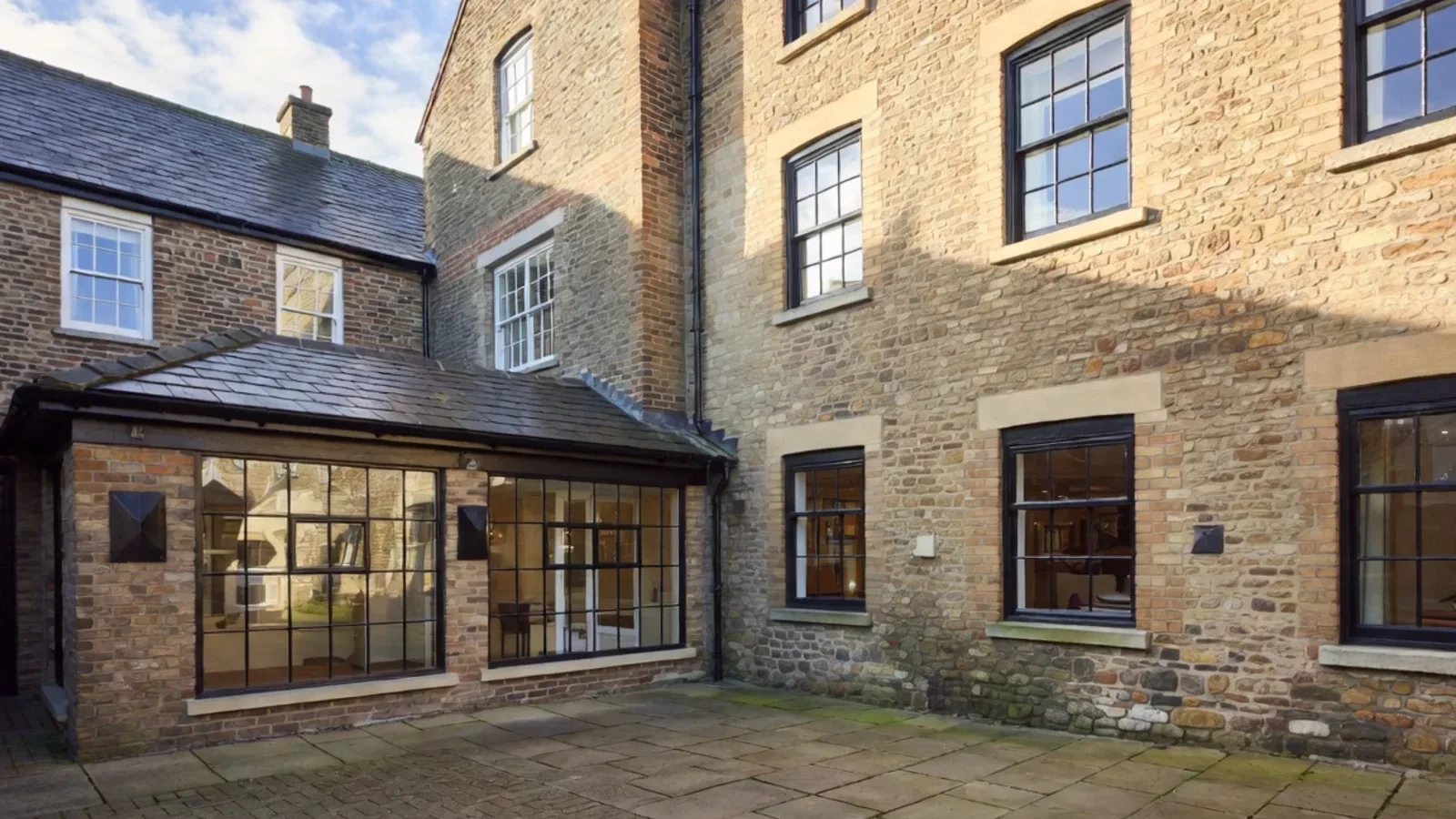
Good property reporting turns the activity of managing a building into a clear, current picture an owner can read at a glance, covering what has happened, what is outstanding and what is coming next.
What reporting is for
Reporting is how the day-to-day work of managing a property is made visible to its owner. A managing agent handles a constant stream of activity, instructing contractors, fielding occupier requests, settling supplier accounts and tracking compliance dates, and most of it happens quietly in the background. Reporting is the discipline of gathering that activity into a clear written summary, so the owner can see what is being done on their behalf without having to ask.
The purpose is not to produce paperwork for its own sake. A good report answers the questions an owner actually has: is the property running well, is anything outstanding, and are there decisions coming that need their attention. When reporting does that consistently, it replaces uncertainty with confidence and frees the owner from chasing for updates.
The qualities of a useful report
The first quality of a useful report is clarity. It should be readable in a few minutes by someone who does not spend their day inside the property, with plain language, a logical structure and figures that are explained rather than left to interpretation. A report that requires a phone call to understand has not done its job.
The second quality is consistency. A report that arrives on a predictable schedule, in the same format each period, lets an owner compare one period with the next and spot trends without effort. Consistency also builds trust, because the owner knows what to expect and when, and can tell at a glance whether anything has changed.
A report earns its place not by recording activity but by supporting a decision. If an owner cannot act on what they read, the report has only added to the pile.
What a good report includes
A well-constructed property report covers a few core areas. It summarises maintenance activity, both completed and outstanding, so the owner can see what has been attended to and what is in progress. It sets out the compliance position, noting which certificates and inspection dates are current and which are approaching renewal. And it gives a clear view of expenditure against budget, with any notable variances explained.
Beyond the standing items, a good report flags anything that needs a decision. That might be a recurring repair that points to a larger fix, a supplier contract approaching renewal, or an occupier matter the owner should be aware of. Surfacing these early, with the relevant context, lets the owner act in good time rather than in response to a problem.
Reporting across a portfolio
For an owner with several properties, reporting needs to work at two levels. Each property still needs its own clear picture, but the owner also needs a consolidated view that lets them compare assets and understand the portfolio as a whole. Standardised reporting, where every property is reported in the same structure, makes that comparison possible.
Consistency across a portfolio also makes anomalies easier to spot. When every property is presented the same way, an unusual cost or an overdue compliance item stands out rather than hiding in a one-off format. The administration behind this, keeping records aligned and figures comparable, is what allows portfolio-level reporting to be trusted.
Turning reports into decisions
A report earns its place when it supports a decision. The value is not in the document but in what the owner can do with it: approve a planned repair, set next year's budget with realistic figures, or decide that a property's performance warrants a closer look. Reporting that is purely descriptive, with no link to action, quickly becomes something owners skim and set aside.
Good reporting therefore looks forward as well as back. Alongside what has happened, it points to what is coming: upcoming compliance dates, anticipated works and budget pressures on the horizon. An owner who can see what is ahead is in a far stronger position than one who only learns of issues after they have arrived.
Commercial and residential property management, support and administration for landlords, freeholders and property owners across Nottinghamshire and the wider East Midlands.