
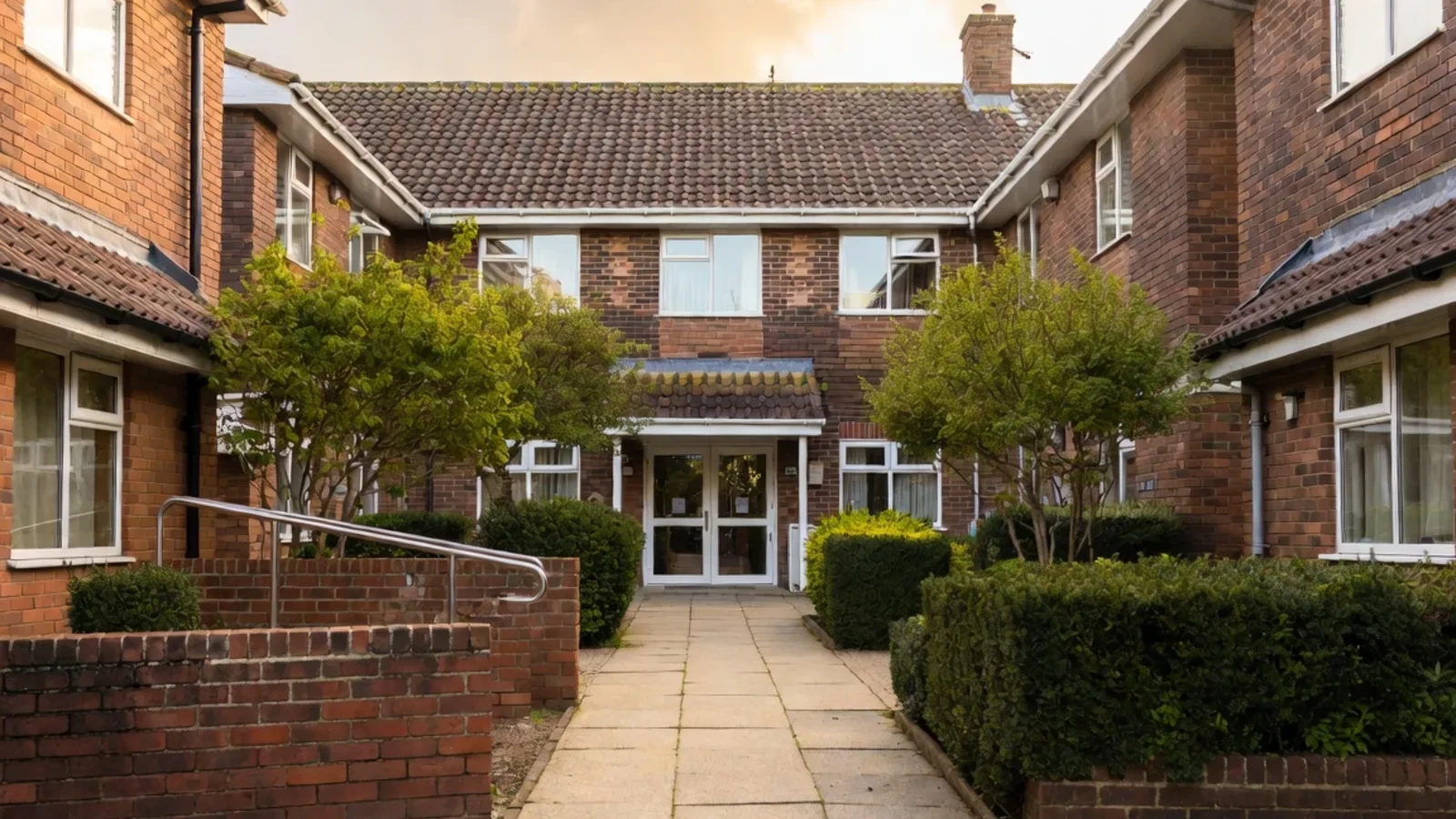
Communal areas set the tone for a whole building, and keeping them well maintained is less about occasional effort and more about a steady, planned routine that stops small things becoming large ones.
Why communal areas matter
Communal areas are the shared first impression of a residential building. Entrances, hallways, stairwells, lifts and grounds are seen by every resident and every visitor, every day, so their condition shapes how the whole property is perceived. A clean, well-lit and orderly common area signals a building that is looked after, while a neglected one suggests the opposite even when the flats themselves are fine.
Beyond appearance, communal areas carry safety significance. Clear escape routes, working lighting and sound flooring are not cosmetic concerns; they affect everyone who uses the building. Keeping these spaces in good order is therefore both a matter of presentation and a matter of responsibility.
Holding a standard, not just doing tasks
Keeping communal areas well maintained is, at heart, about holding a standard rather than performing tasks. The useful question is not only what gets cleaned and when, but what good looks like for this building: the level of presentation a resident should be able to expect every day, in the entrance, the hallways, the lighting and the grounds. Once that standard is defined, upkeep becomes a matter of holding to it rather than reacting to whatever has visibly slipped.
A standard is sustained by routine, not by occasional effort. Regular cleaning, grounds care and attention to lighting and shared systems keep the building at a steady level, so a resident never arrives to find the common parts noticeably worse than last week. The value of a plan is consistency: the building looks and feels the same on an ordinary Tuesday as it does when someone is being shown around, because the standard does not depend on anyone noticing it has dropped.
One piece of visible neglect quietly licenses the next. Communal standards slip not in a collapse but by accretion, which is why small defects deserve prompt attention.
Why small defects carry weight
Even a well-kept building throws up faults, and in shared spaces they carry a weight beyond the fault itself. A flickering stairwell light, a marked wall left unattended or a broken entry handle does small practical harm but sends a large signal: that the building is not really being looked after. Left visible, one piece of neglect quietly licenses the next, and standards slip not in a collapse but by accretion.
This is why prompt attention to small communal defects matters out of proportion to their cost. Dealing with the minor things quickly, before they accumulate into a general air of decline, is what keeps a building feeling cared for. A resident rarely notices the repair that happened promptly; they very much notice the one that was allowed to sit, and it colours how they regard everything else around them.
Records that hold standards in place
A standard that exists only in someone's head is fragile, which is why records hold communal upkeep in place. A clear log of what has been cleaned, serviced, inspected and repaired turns an intention into something that can be checked, handed on and sustained as people and contractors change. It also means the standard survives a change of manager or staff, rather than resetting each time.
The standard shows, too, at the moments a building is judged. A prospective buyer or tenant, a surveyor or an insurer all read the communal parts as a verdict on the whole property, and a documented history of consistent upkeep turns that judgement into a favourable one. Well-kept shared spaces, evidenced over time, are quietly among the most persuasive things a residential building can offer.
Commercial and residential property management, support and administration for landlords, freeholders and property owners across Nottinghamshire and the wider East Midlands.