
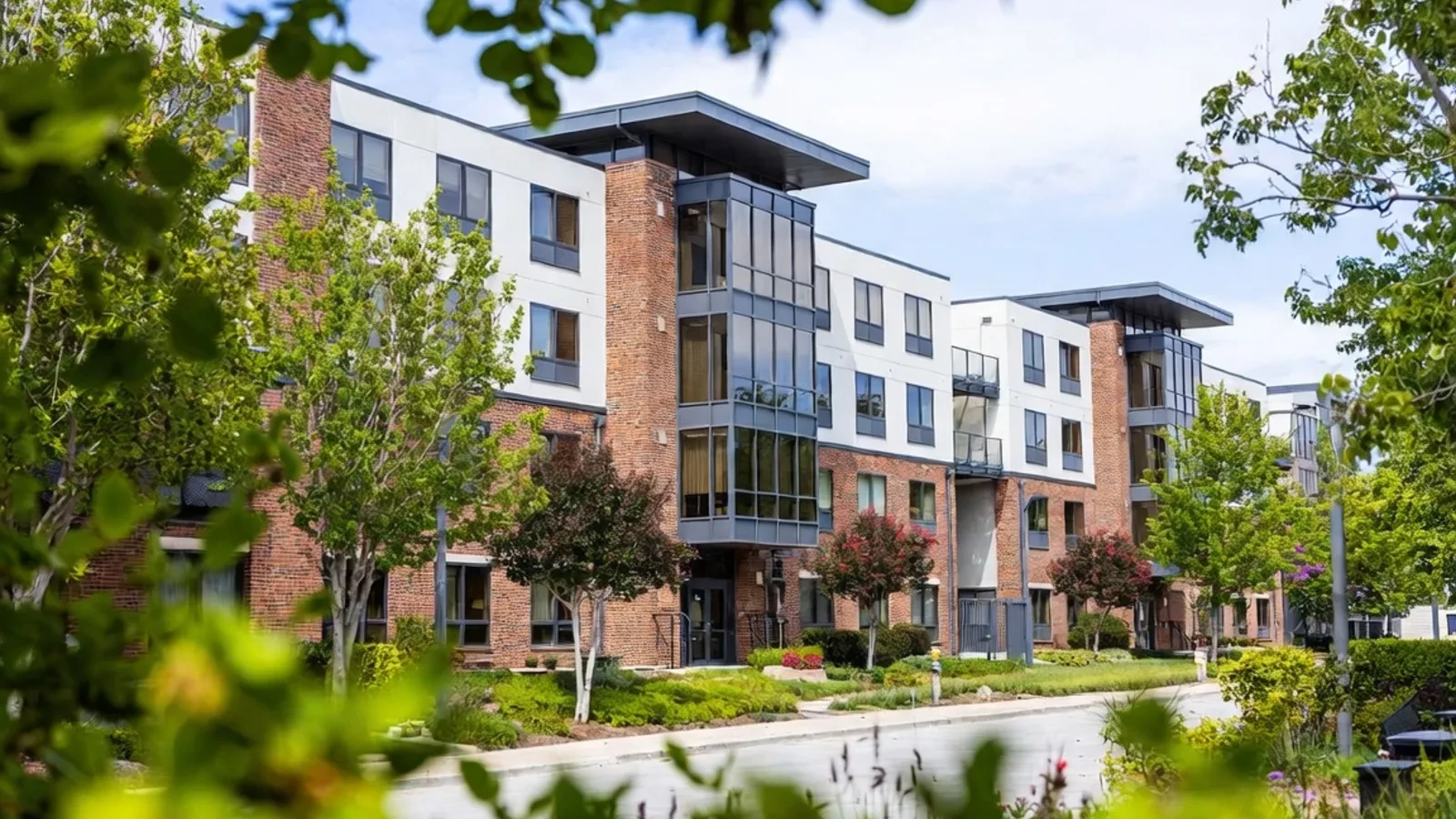
Residential property management is the ongoing work of keeping a home, flat or block running well for its owner and the people living in it, covering coordination, maintenance, compliance records and administration rather than any single task.
Defining residential property management
Residential property management is the day-to-day running of a home, a block of flats or a portfolio of dwellings on behalf of the owner. It spans the practical coordination of maintenance and contractors, the administration of supplier and utility accounts, the tracking of compliance dates and certificates, and regular reporting back to the owner. The aim is a property that runs smoothly, keeps residents settled and protects the owner's interests over time.
It is distinct from transactional agency work. Management begins once a property is owned and occupied, and concentrates on operating it well. For many owners the value of good management is felt in the things that do not go wrong: repairs handled before they escalate, certificates renewed before they lapse and costs kept visible rather than drifting.
The core responsibilities involved
Day-to-day management covers a recurring set of responsibilities. Resident and tenant coordination means being the point of contact for the people living in the property, logging requests and keeping them informed. Maintenance coordination means instructing the right contractors for planned and reactive work and following each job through to completion. Compliance record keeping means knowing which safety certificates and inspections apply, when they are due and where the evidence is held.
Alongside these sit the administrative tasks that keep a home running: supplier and utility account administration, communal area oversight where a block is involved, and the correspondence that an occupied property generates. None of these is complex in isolation, but together they require consistent attention and a reliable system of records.
The value of good residential property management is often invisible: it shows up as repairs handled early, certificates renewed on time and residents who rarely need to chase.
Where a managing agent supports residential owners
A managing agent earns its place by handling this work consistently and by holding a complete, current picture of the property. For an owner managing a home alongside other commitments, the practical constraints are time and continuity. Tasks slip, contractors chase the wrong contact and records become scattered across email threads and paperwork. A managing agent provides a single point of ownership for all of it.
Good management is also about judgement: knowing which reactive issues are urgent, which contractors are reliable for a given task and when a recurring problem points to something that needs a planned fix rather than another repair. That judgement comes from coordinating the work regularly across many properties.
How residential differs from commercial management
Residential management differs from commercial in its relationships and its rhythm. The people in the building are residents in their homes rather than businesses, so communication tends to be more personal and responsiveness matters around the clock. Lease and tenancy structures differ, and the balance of obligations between owner and occupier follows a different pattern.
The underlying disciplines are shared, however. Whether a property is a block of flats or an office, the same fundamentals apply: clear records, responsive coordination, planned maintenance and compliance kept current. The difference lies in the detail of how each is administered and in the tone of the relationship with the people on site.
Deciding whether to delegate management
The decision to delegate management usually comes down to capacity and consistency. An owner with a single, simple property may reasonably handle it themselves. As the number of dwellings, residents or compliance obligations grows, the administrative load grows with it, and the cost of a missed certificate or an unresolved repair rises.
For a residential block, delegation should still leave the owner able to review resident issues, planned work, compliance dates and service charge activity. The managing agent handles the follow-up between meetings, while the owner keeps control of budgets and decisions that affect the building.
Commercial and residential property management, support and administration for landlords, freeholders and property owners across Nottinghamshire and the wider East Midlands.